Can you close a pressure relief valve?
For most units, open the water pressure relief valve by simply lifting the valve up until the attached brass stem rises. When you do this, hot water will rush out of the pipe near the bottom of the water tank. Then, push the lever back down to close the valve and stop the water flow.
Can valves explode?
If the valve is leaking, it means there is too much heat or pressure inside the tank. Either is dangerous as it could lead to an explosion.
What happens when a pressure relief valve is opened?
When pressure in the system returns to a safe level, the valve will return to the closed position. When a pressure relief valve begins to lift, the spring force increases. Thus system pressure must increase if lift is to continue.
How does a relief valve in a propane tank work?
Relief valves are designed to vent tank pressure at a certain flow rate to the outside atmosphere once the pressure inside the propane tank reaches a certain level and will close once the pressure in the tank falls below that level. Let’s look at a simple example involving something we’re all familiar with, a plastic 3 liter soft drink bottle.
How is a pressure relief valve like a governor?
The pressure-relief valve has the physical appearance of a pressure governor. It operates in the reverse manner to a governor, that is, on exceeding the set pressure the valve lifts off its seat, rather than being forced onto its seat, as in a governor. Gas is therefore allowed to flow through the valve.
What should I test my pressure relief valve with?
Testing the valve with the wrong medium. Water, air or nitrogen is frequently used: Gases generally produce a definite ‘pop’ and are generally used for vapour service. Water is generally used for liquid service. Steam service should be tested with steam, to replicate its temperature and flow characteristics.
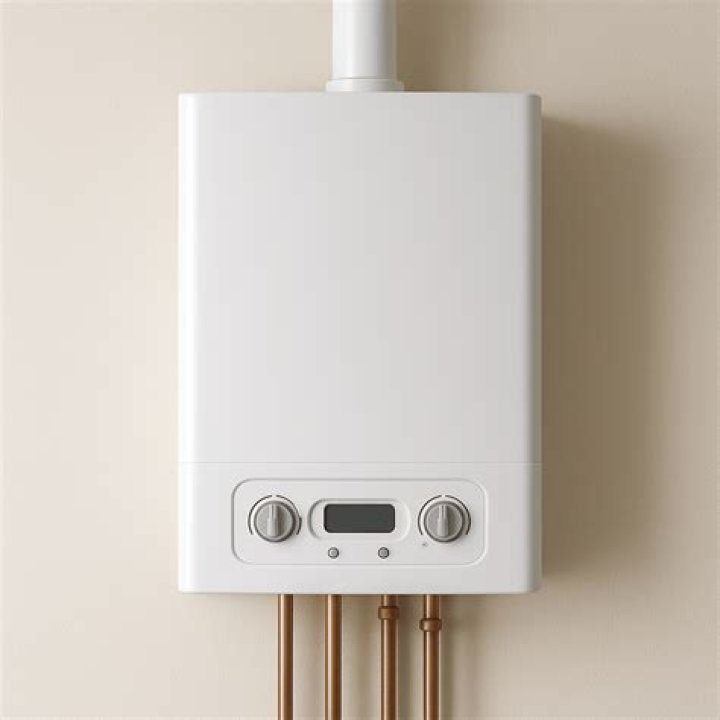
How do you remove a pressure relief valve from a boiler?
Attach a pipe wrench to the boiler’s pressure relief valve. Loosen the valve and remove it from the boiler. If the valve has a drain pipe connected to it, remove the drain pipe prior to the removing the valve. Wrap plumber’s tape around all but the bottom two threads of the new pressure relief valve.
What happens if you don’t have a pressure relief valve?
The pressure relief valve, also as known as a blow-off valve, is a vital component of a boiler. Without a properly working valve, dangerous levels of temperature and/or pressure may build up in a home’s heating system. Extreme pressure within the system could cause the boiler or water lines to rupture.
Relief valves are designed to vent tank pressure at a certain flow rate to the outside atmosphere once the pressure inside the propane tank reaches a certain level and will close once the pressure in the tank falls below that level. Let’s look at a simple example involving something we’re all familiar with, a plastic 3 liter soft drink bottle.
How to size a critical gas relief valve?
In the present case, back pressure (1.5 bara) < P cf (3.5 bara). Hence the flow is of critical type. Next step is to use the relief valve sizing procedure given in the API 520 part I for critical flow type gas relief valve. The following equation is used, (1)